Is Commercial Property in Singapore a Worthy Real Estate Investment?
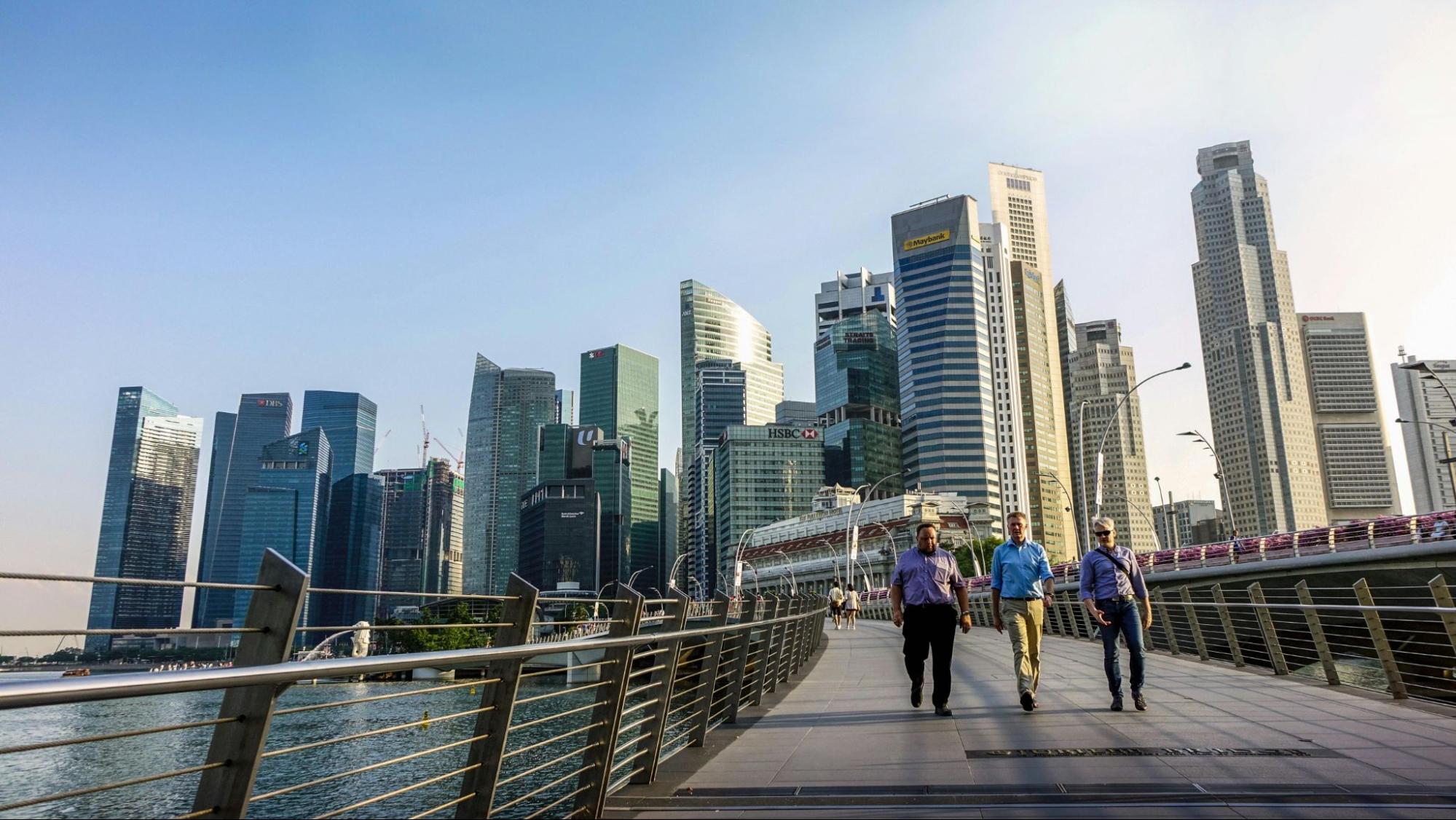
For investors evaluating real estate beyond residential housing in Singapore, commercial property — office, retail, industrial/ logistics — offers interesting yield and structural opportunities. With stable macroeconomics, supply discipline, and strong global investor confidence, Singapore remains one of the most transparent, resilient commercial real-estate markets in the Asia-Pacific region.
1. Key Cost Advantage: No ABSD for Commercial Properties
One of the most significant distinctions between commercial and residential property investment in Singapore lies in the tax treatment.
Unlike residential properties, commercial properties are not subject to Additional Buyer’s Stamp Duty (ABSD) — regardless of the buyer’s nationality or the number of properties already owned. Investors purchasing commercial assets are only required to pay the standard Buyer’s Stamp Duty (BSD).
This structural difference materially lowers upfront acquisition costs, particularly when compared to residential purchases that may incur substantial ABSD charges. As a result, many foreign buyers, high-net-worth individuals, and family offices increasingly favour commercial assets, where entry costs are more predictable and less exposed to residential cooling measures.
2. Commercial Property Prices Have Shown Long-Term Appreciation
Beyond income yield, Singapore’s commercial property market has demonstrated consistent capital appreciation over the long term, supported by limited land supply and sustained business demand.
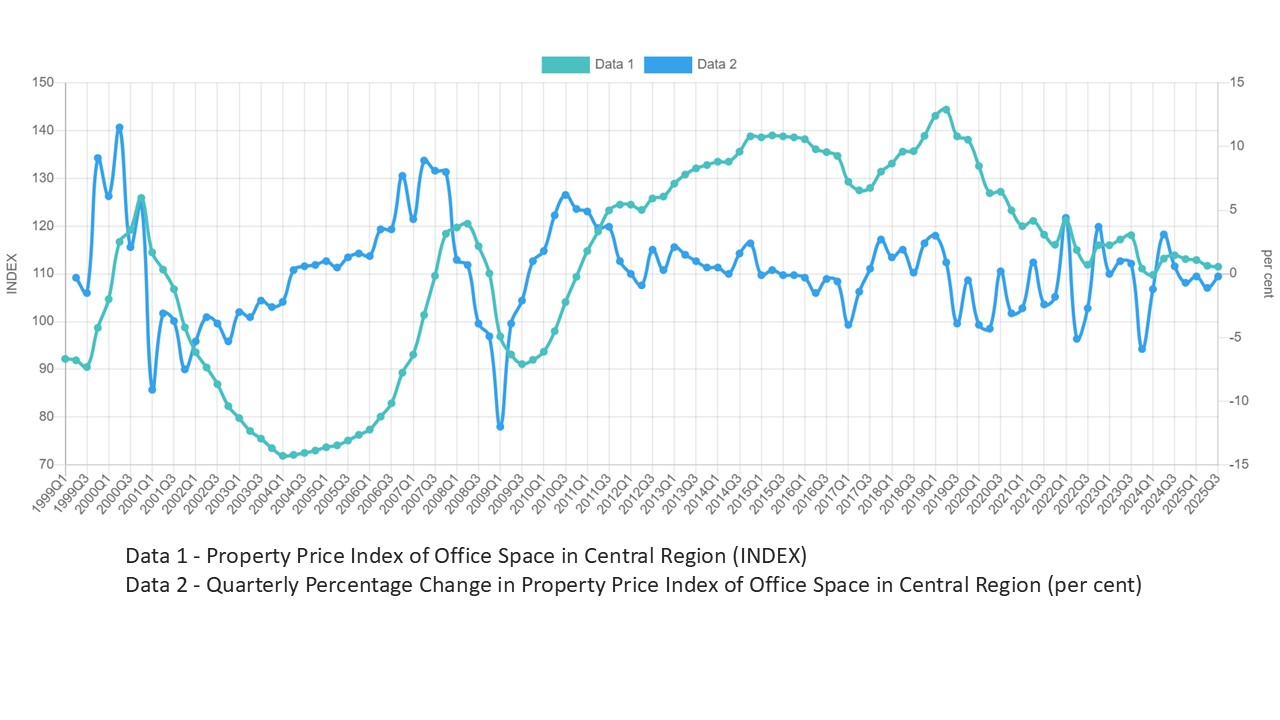
According to URA’s Commercial Property Price Index, overall commercial property prices have trended upward over the past decade, despite short-term cyclical fluctuations. From the post–Global Financial Crisis period to recent years, the index shows a clear long-term growth trajectory, reflecting Singapore’s position as a regional financial and business hub.
In particular:
- Office property prices have recovered strongly after downturns and established higher base levels over successive market cycles.
- Industrial property prices have shown steady appreciation, underpinned by demand from logistics, high-value manufacturing, and technology-driven sectors.
This long-term upward trend highlights that Singapore commercial properties are not only income-generating assets, but also capital-preserving and appreciating investments over time.
3. Macro Stability and Demand for Quality Commercial Spaces
- Singapore continues to stand out in global rankings for business-friendliness, political stability, and rule-of-law — essential factors that underpin long-term real-estate value and investment confidence.
- According to recent data, core-CBD (Grade A) offices have seen rents rise even in 2025, despite global economic headwinds.
- As of Q3 2025, rents for Core CBD Grade A offices rose 0.8% quarter-on-quarter to S$12.20 per sq ft/month.
This demonstrates that demand remains healthy — firms continue to lease or renew space in premium office buildings, reflecting confidence in Singapore’s economic environment.
4. Tight Supply & Flight-to-Quality Trends
- Vacancy for Grade A offices in Core CBD has tightened: from 5.9% in Q1 2025 to 5.1% in Q3 2025.
- This “flight to quality” — where tenants prefer modern, well-equipped offices — supports stronger rental growth and occupancy for premium commercial assets.
- Meanwhile, supply remains controlled, especially for high-spec industrial / logistics spaces and quality office buildings, keeping vacancy and downward pressure relatively low.
For investors, this means well-located, properly managed commercial properties are likely to remain in demand long-term.
5. Attractive Income Yields vs Residential Properties
Compared with many residential properties — which often yield modest returns — certain commercial assets in Singapore may offer better yield-to-risk balance:
- Prime office rents growing steadily suggest better yield potential, especially for long-term leases with stable tenants.
- Industrial / logistics properties — increasingly important in the e-commerce era — are supported by demand from supply-chain, warehousing, and light manufacturing firms.
Thus, for yield-focused investors or businesses needing stable rental income plus long-term capital retention, commercial real estate may offer better returns than typical residential assets.
6. Transparency, Governance, and Market Liquidity
- Singapore’s real estate markets — residential and commercial — benefit from transparent data, clear zoning laws, enforceable tenancy laws, and reliable governance frameworks. This reduces many of the uncertainties common elsewhere.
- Major institutional investors, funds, and REITs routinely participate in Singapore’s commercial market, ensuring liquidity and exit flexibility.
- Because of high regulatory and operational standards, properties tend to be well maintained and managed, which preserves asset value over time.
For investors — especially foreign or institutional investors — this combination of stability, transparency, and liquidity is rare in Asia.
7. Structural Demand Drivers — From Technology to Logistics
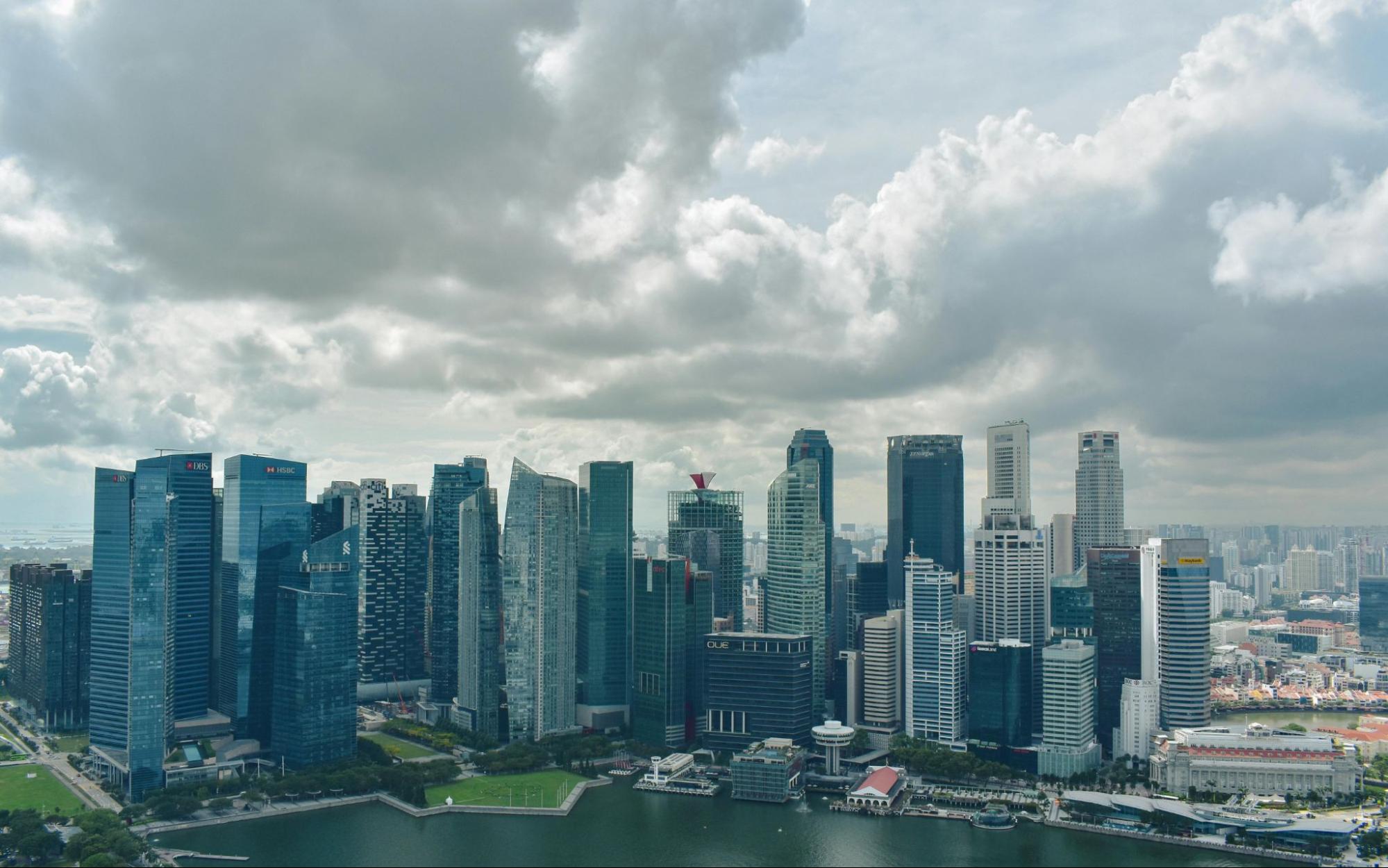
Several secular trends support long-term demand for commercial real estate in Singapore:
- Growth in technology, finance, biotech, and global services fuels demand for quality office space.
- E-commerce growth and global supply-chain pivots increase demand for logistics, warehousing, and light industrial facilities.
- As regional companies expand, Singapore often serves as headquarters or regional hub — ensuring demand for office and flexible workspace remains stable.
- High-net-worth individuals and family offices increasing presence may drive demand for premium retail / lifestyle / office space.
These structural factors position commercial real-estate as a resilient asset class even amidst global economic cycles.
8. Risk & Considerations (But Manageable)
No investment is risk-free. Key factors to watch:
- Market cycles — if global economic slowdowns hit, demand for office space could soften.
- Interest rate fluctuations — can affect financing costs, and thus yield and capital value.
- Tenant concentration risk — commercial properties may be more susceptible to industry-specific downturns or tenant defaults than diversified residential portfolios.
- Lease and vacancy cycles — although demand is stable now, long-term performance depends on renewal rates, lease terms, and asset maintenance.
That said, Singapore’s strong institutions, governance, and diversified economy help mitigate many of these risks.
Conclusion — Commercial Assets in Singapore Still Worth Considering
For investors seeking stability, transparent governance, rental yield, and long-term demand, Singapore’s commercial real-estate sector remains a core contender in Asia. Whether in offices, logistics, or well-managed retail/industrial properties, commercial investments provide a compelling alternative (or complement) to residential holdings — especially for yield-oriented or institutional-style portfolios.

Find your next home or investment abroad
We make buying property abroad simple, credible, and completely transparent.