Why Invest in Dubai and Abu Dhabi Properties?
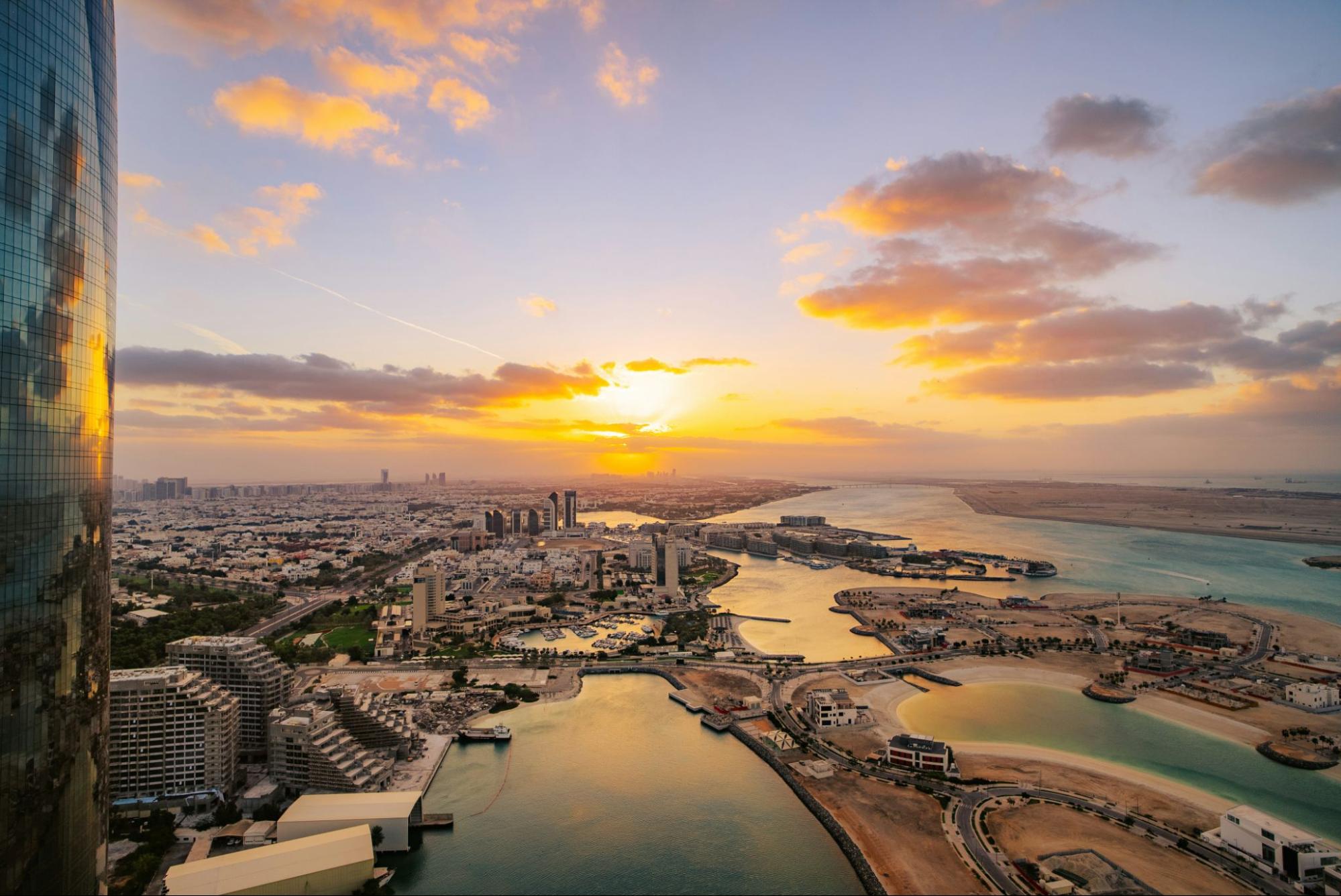
The United Arab Emirates (UAE) — particularly Dubai and Abu Dhabi — continues to rank among the world’s most attractive markets for global property investors. With high rental yields, strong expatriate demand, competitive prices, and investor-friendly regulations, both cities offer a compelling, data-backed investment case.
1. High Rental Yields Compared to Global Cities
Dubai consistently delivers some of the highest rental yields among major global cities.
According to Global Property Guide’s analysis of UAE rental yields, the national average gross rental yield is 5.45%.
Independent research shows Dubai apartment yields commonly fall within 6–7%, with smaller units performing even better, as highlighted in Dubai Realty Trends’ 2025 Dubai Apartment Yield Report and Engel & Völkers’ Dubai Rental Yield Overview.
Compared with mature markets such as Singapore, Hong Kong, and London — where yields typically range between 2–4% — Dubai offers significantly stronger income performance. This yield advantage becomes even more pronounced when factoring in Dubai’s lower acquisition cost and taxes.
2. Strong Rental Demand from a Growing Expat Population
Dubai and Abu Dhabi’s expanding expatriate workforce continues to drive strong rental absorption.
According to REIDIN’s UAE Residential Property Price Report 2025, rental performance remained robust into 2025, especially for apartments.
Likewise, Mieyar UAE’s Q3 2025 Market Update highlights strong leasing activity supported by sustained business growth and high-skilled immigration.
These dynamics support stable occupancy levels and predictable rental income for investors, reducing vacancy risks even during global economic slowdowns.
3. Attractive Price-to-Space Value Compared to Global Capitals
Dubai offers a superior price-per-square-foot value versus top-tier cities like London, New York, and Sydney.
A comparative study published in The Dubai Life’s Global Property Price Comparison shows Dubai outperforming global cities on both affordability and rental yield metrics. This makes the market highly attractive for investors seeking better asset quality and more space for the same capital outlay.
As a result, the capital outlay per square foot (or square metre) can be more efficient than in congested or fully mature western capitals — an advantage especially for middle-to-high net worth investors targeting value + yield.
4. Balanced Returns: Yield + Capital Appreciation
Dubai offers the dual benefit of strong rental yields and long-term appreciation potential.
Insights from TEKCE Real Estate’s Yield Hotspot Analysis show that communities with high rental demand often demonstrate strong value retention and future appreciation prospects.
Well-located apartments, particularly near transport corridors, business hubs, and master-planned communities, have shown consistent price momentum over the past several years.
This balance of income stability + capital upside is especially rare in global real estate markets today.
5. Investor-Friendly Regulations, Transparent Costs, and Low Transaction Friction
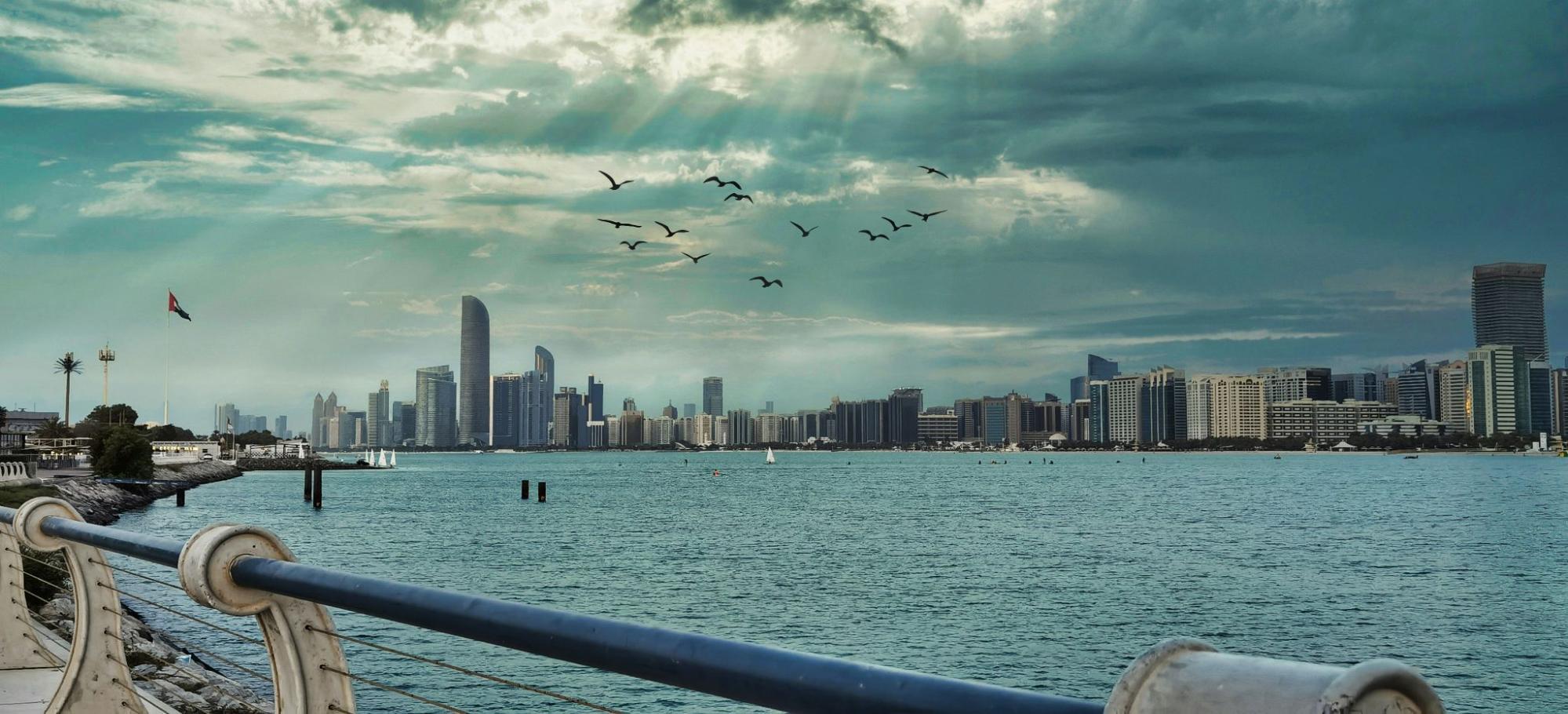
In addition to investor-friendly ownership rules and the absence of annual property taxes, Dubai offers a clear and relatively straightforward transaction cost structure compared to many global property markets.
For property purchases in Dubai, buyers are generally required to pay a one-time property transfer fee of 4%, payable to the Dubai Land Department at the point of ownership transfer. This fee is non-recurring, and there are no annual property taxes or capital gains taxes imposed thereafter.
In many primary-market transactions, particularly new launches, developers may subsidise a portion of the transfer fee, often up to 2%, as part of sales incentives or promotional packages. While such subsidies vary by project and are not guaranteed, they can meaningfully reduce the buyer’s upfront transaction costs in applicable cases.
When compared with markets that impose recurring property taxes, higher stamp duties, or multiple layers of acquisition costs, Dubai’s one-time transfer fee framework offers investors greater cost transparency and predictability over the long term.
6. World-Class Infrastructure & Global Connectivity
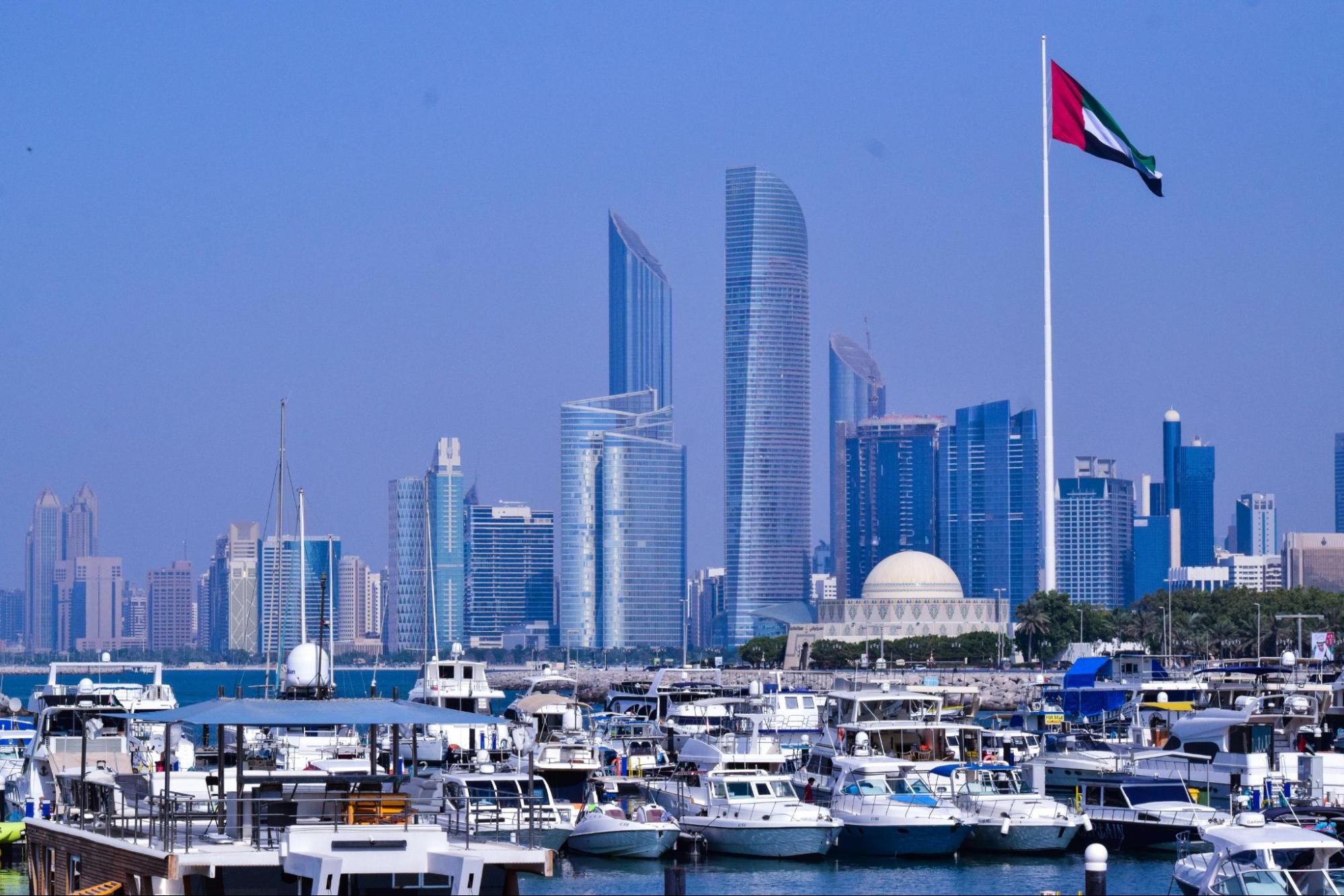
Dubai and Abu Dhabi offer unmatched urban infrastructure, modern transport systems, and global aviation connectivity — all of which reinforce long-term property value.
Major master developments such as Dubai Creek Harbour and the revival of Palm Jebel Ali continue to elevate Dubai’s international appeal, while Abu Dhabi’s Saadiyat Cultural District strengthens its position as a global cultural hub.
Both cities rank highly for safety, quality of life, and economic opportunity, further supporting long-term rental demand and occupancy.
Conclusion
With 5–7% rental yields, strong tenant demand, favourable ownership laws, and world-class infrastructure, Dubai and Abu Dhabi remain two of the most compelling real estate markets globally. For investors seeking diversification, reliable rental income, and long-term appreciation, the UAE continues to offer a resilient and data-backed investment opportunity.
Disclaimer:
The information provided is for general reference and guidance only, and does not constitute professional financial or investment advice. While efforts have been made to ensure accuracy at the time of publication, market conditions may change without notice.

Find your next home or investment abroad
We make buying property abroad simple, credible, and completely transparent.